The work between you and your suppliers deserves its own system
Onboarding, COIs, item setup, price changes. The work between you and your suppliers runs on email. Here's why it needs a system of its own.

Every week I talk with procurement, compliance and supply chain teams, and I keep hearing versions of the same three stories.
A director of procurement tells me it took two weeks to onboard a single supplier, because a document or a signature was always missing. A compliance manager spends a full day digging through email threads to answer a simple question from their boss. How many of our suppliers are ready for the deadline? A category manager adds up a year of small price increases and finds the margin has quietly moved.
These are capable people doing important work with the wrong tools, because the work they're describing has never had a home.
The work nobody owns
Think about everything that has to happen between your company and a supplier after the contract is signed.
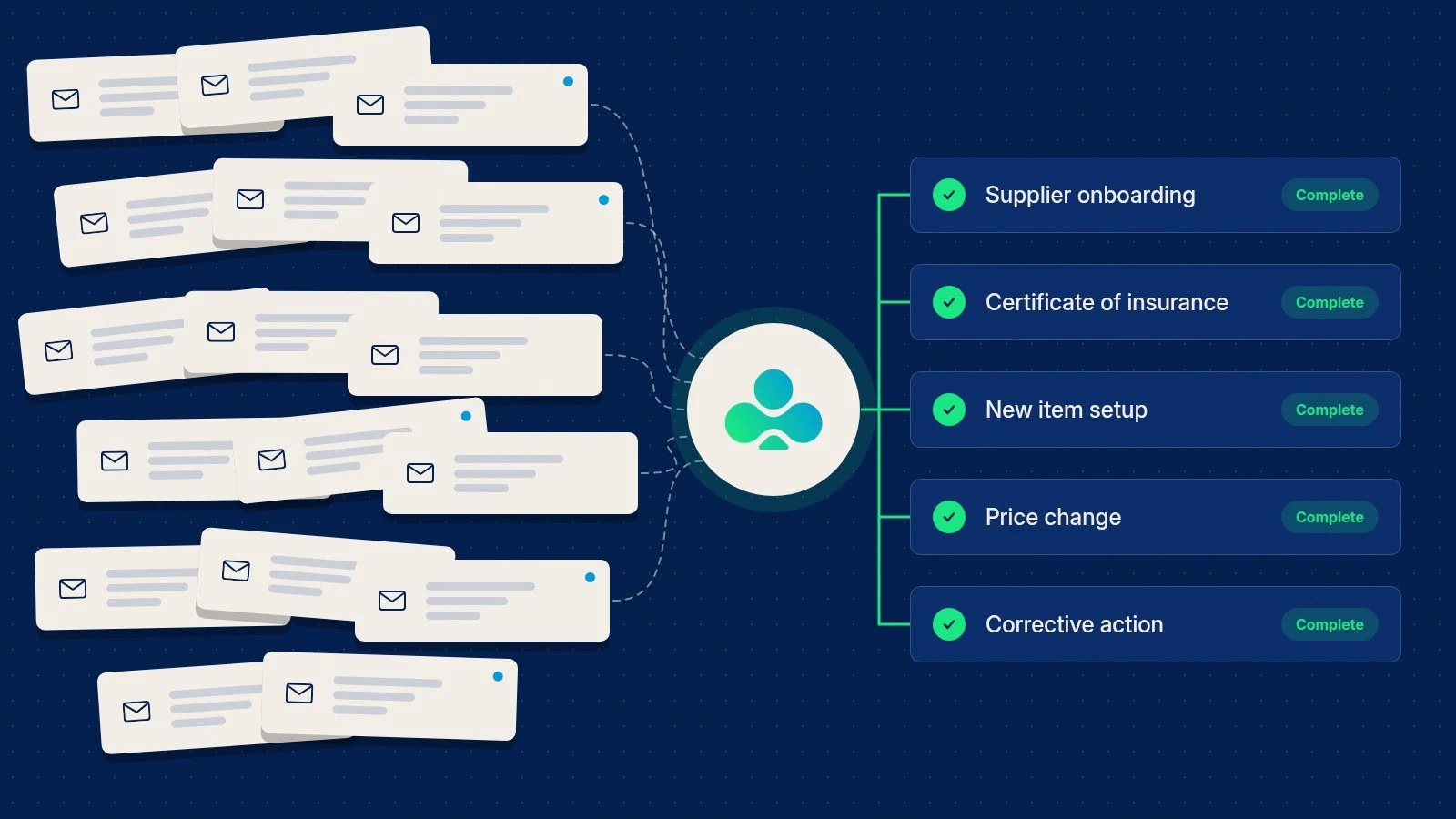
- A new supplier has to be set up, with tax forms, banking details, insurance and signed policies.
- Certificates expire every year and have to be collected again.
- New products need complete, accurate item data before they can be sold.
- Price changes arrive and have to be reviewed, approved and pushed to every system that uses them.
- When something goes wrong, a corrective action has to be requested, answered and verified.
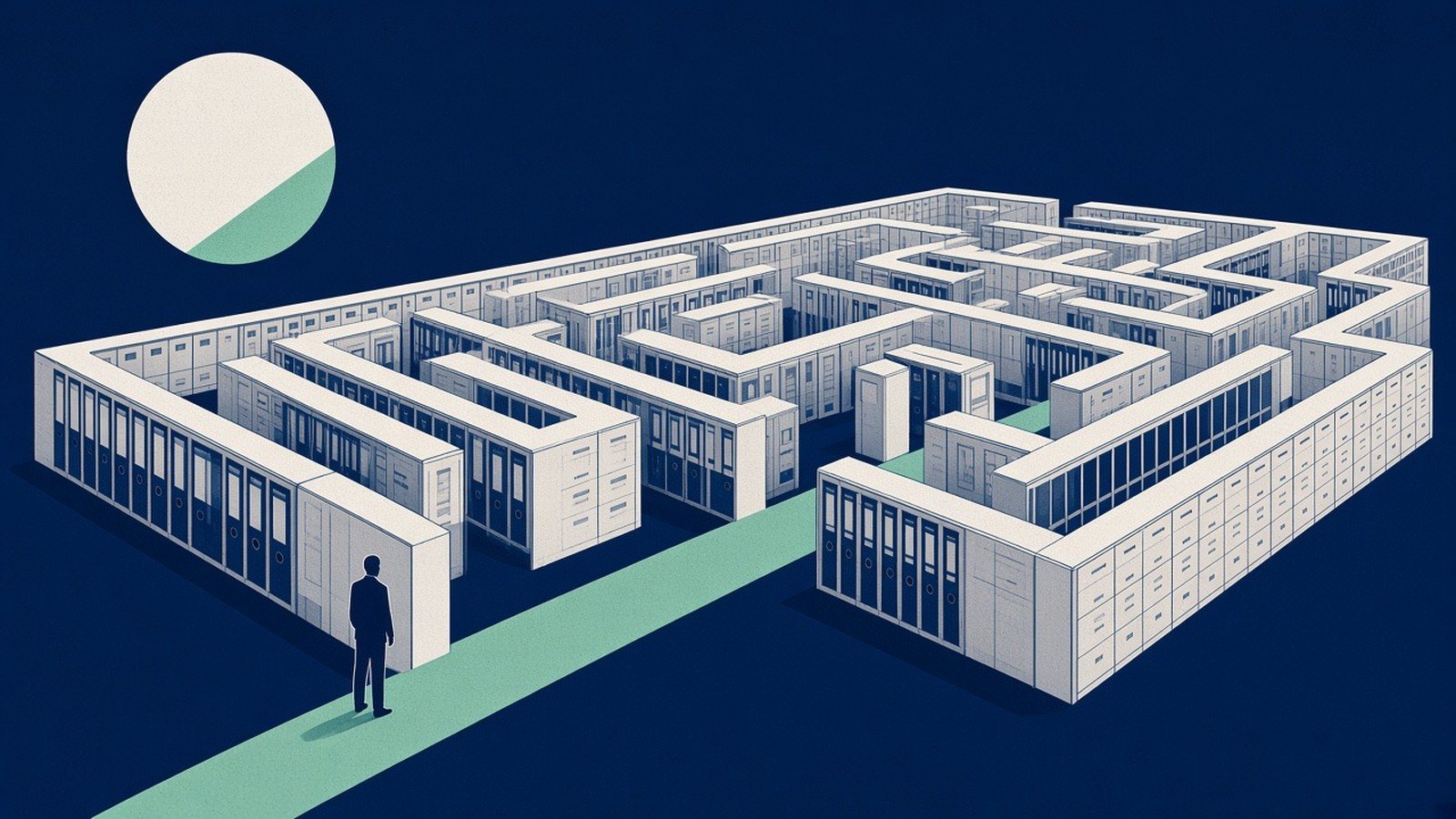
This is real, recurring, structured work. In most companies it runs on email, spreadsheets and the memory of whoever has been there longest.
Why it fell through the cracks
Most companies have plenty of software. The trouble is that each system was built for something else.
Your ERP is a system of record for transactions and financials. It knows what you bought and what you paid. It was never designed to chase a supplier for an updated certificate of insurance.
Procurement suites like Ariba, Coupa and Jaggaer are built for sourcing and spend. They're very good at running an RFP and managing purchase orders. Everyday supplier collaboration, after a supplier has been chosen, isn't what they were built for.
Supplier portals get closer. They give suppliers a place to upload a document or update a profile. But most portals collect information and stop there. Someone still has to check the document, chase the missing ones, decide on the exceptions and remember why.
So the work lands in the inbox, where it has lived for twenty years.
What the inbox costs you
The cost shows up in three places.
Time. Every request, reminder and follow-up gets handled one email at a time. At 20 suppliers that's manageable. At 200 or 2,000 it becomes a team's whole week. And the load is growing. The Hackett Group expects procurement workloads to rise 8% in 2026, even as headcount and operating budgets decline.
Risk. When a supplier's insurance lapses or a required certification expires, an inbox doesn't send you an alert. You find out when something goes wrong, which is the worst possible time.
Memory. Six months from now, someone will ask why a supplier was approved with an exception. The answer is somewhere in a thread that belonged to a person who has since moved on. The decision was made, and the reasoning left with them.
Supplier operations, defined
We call this work supplier operations. It's every structured, recurring process that runs between a company and its suppliers, from the day a supplier is onboarded to the day they're offboarded.
Done well, supplier operations comes down to three ingredients.
- A workflow that defines the steps, the requirements and who decides.
- Tasks that go to each supplier, one at a time or thousands at once, simple enough to complete without training.
- The conversation around the work, attached to the task it's about instead of scattered across inboxes.
Put those together and the work changes character. Requests go out and get tracked as a group. Submissions get checked as soon as they arrive. Exceptions go to the person who should decide. And every step, including the reasoning behind each decision, is on the record.
The goal is work that's done, done right and provably done.
Why now
Two things make this urgent.
The first is the growing list of requirements. Regulations keep asking for data that only your suppliers have. The EU Deforestation Regulation applies to large and medium companies from December 30, 2026, and it depends on geolocation and due diligence data gathered from suppliers. The compliance date for the FDA's food traceability rule, FSMA 204, has moved to July 20, 2028, and many large food retailers and distributors are asking suppliers for that data sooner. Every new rule is another campaign to run across your whole supplier base.
The second is AI. Every procurement team is being asked what AI will do for them, and in Hackett's research, 80% of procurement executives named AI-enabled technology the most transformational trend of the next five years. The honest answer is that AI is only as useful as the record it can read. A model can check a certificate against your requirements in seconds. It can't tell you why a supplier was approved last year if that reasoning only ever lived in someone's head. Teams that run their supplier work as structured, recorded processes will be the ones ready to use AI well.
What this means for Clover
This is the problem we started Clover to solve. Our founding team spent decades helping build data standards and supplier networks used across retail, foodservice and healthcare, and we kept seeing the same gap between what companies needed from suppliers and how they actually got it.
This week we launched a new website that describes Clover the way our customers use it, as a supplier operations platform. It covers four areas of work, from supplier management and compliance to product information, pricing and transactions. If you want to see it in practice, start with supplier onboarding, certificates and renewals or price change management.
We're also relaunching this blog. Every week you'll hear from a member of our team about the practical side of this work. We'll cover what a certificate of insurance actually proves, how to run a compliance campaign across hundreds of suppliers, how to get through price increase season, and what new regulations mean for the data you collect.
If any of the stories at the top of this post sound familiar, I'd like to hear yours. Tell me what's slowing your team down, and we'll start there.


 Shawn Cady